
Services
Infrastructure Asset Management and Lifecycle Planning
Gott Group provides infrastructure asset management services for asset owners, governments, and delivery teams seeking clearer condition intelligence, stronger lifecycle planning, and more confident investment decisions across transport, utilities, energy, and built environment portfolios.
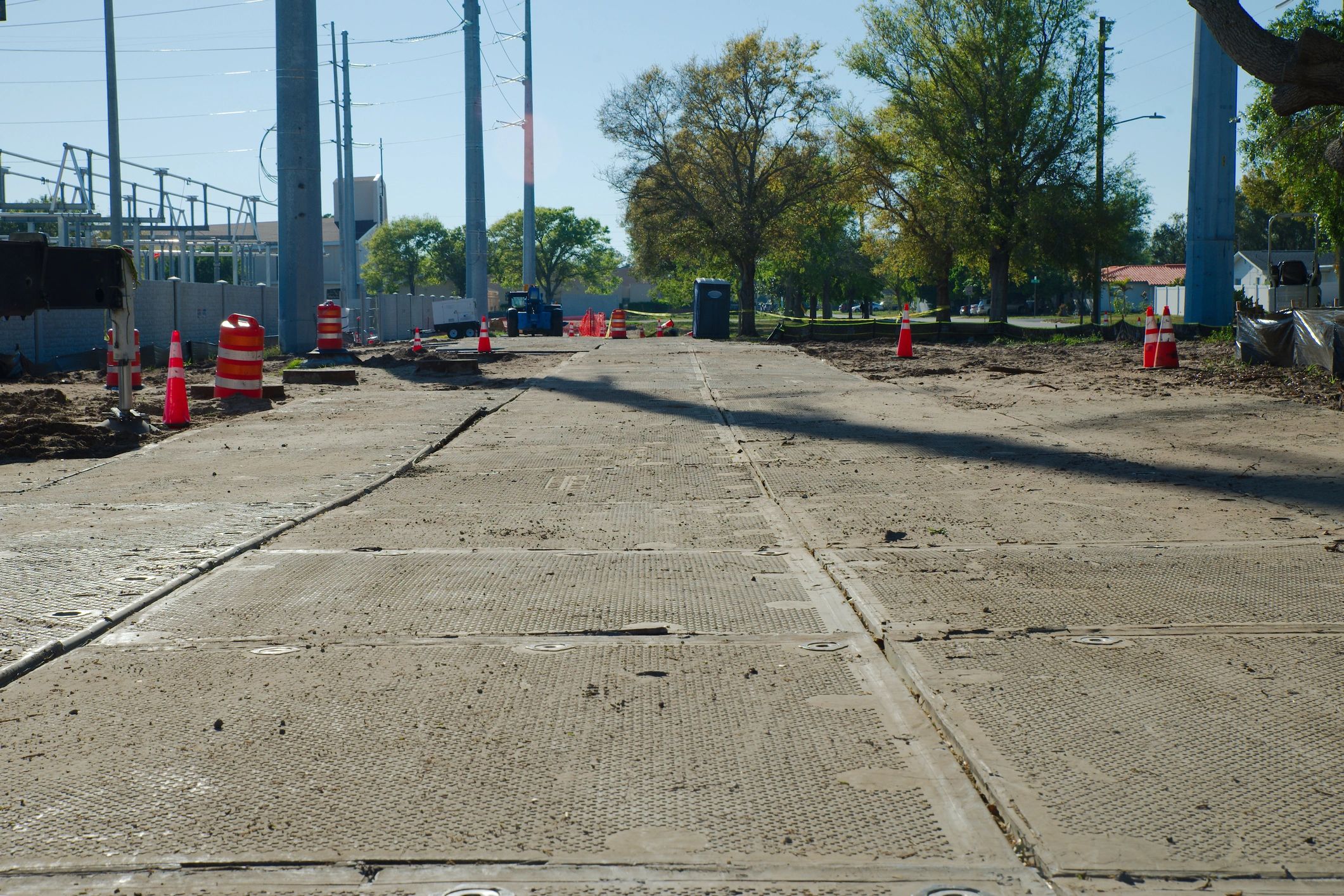
Data-led asset planning and lifecycle support
Our asset management capability combines engineering judgement with advanced survey methods to help clients understand asset condition, risk exposure, maintenance priorities, and lifecycle investment requirements.
From CCTV robotic surveys and point cloud capture to defect assessment and repair planning, we provide clear technical outputs that support funding cases, operational planning, long-term asset resilience, and coordination with project management and engineering consulting teams.
Capabilities
Asset management capabilities
Our infrastructure asset management approach is tailored to the operational, regulatory, and funding context of each portfolio, with services structured to support immediate priorities, long-term performance, and better capital planning.
Condition Surveys
Targeted inspections, CCTV robotic surveys, and field assessments that establish reliable condition baselines for buried, linear, and complex infrastructure assets, informing maintenance planning and renewal decisions.
Digital Capture
Point cloud surveys and supporting data capture that improve asset records, multidisciplinary coordination, and planning accuracy for rehabilitation and renewal programs across transport infrastructure and water and utilities assets.
Repair Planning
Prioritized repair and maintenance strategies aligned to defect severity, operational risk, budget constraints, service continuity requirements, and wider asset lifecycle objectives.
Lifecycle Advice
Engineering-led recommendations that help clients plan interventions, stage capital works, support operational handover, and align delivery pathways with broader infrastructure investment programs.
How we support asset decisions and delivery planning
We help clients move from fragmented asset information to clear, actionable programs for inspection, maintenance, repair, and delivery planning across critical infrastructure portfolios.
01
Assess
Review asset context, available records, operational constraints, and risk drivers to define the right scope of investigation.
02
Survey
Undertake field surveys and digital capture to gather dependable evidence on condition, defects, and access requirements.
Clear asset intelligence supports better timing, better prioritization, and better outcomes across the full delivery lifecycle.
03
Prioritize
Interpret findings and rank interventions based on safety, performance, resilience, and budget considerations.
04
Plan
Translate technical findings into repair plans, renewal pathways, and delivery recommendations that stakeholders can act on.